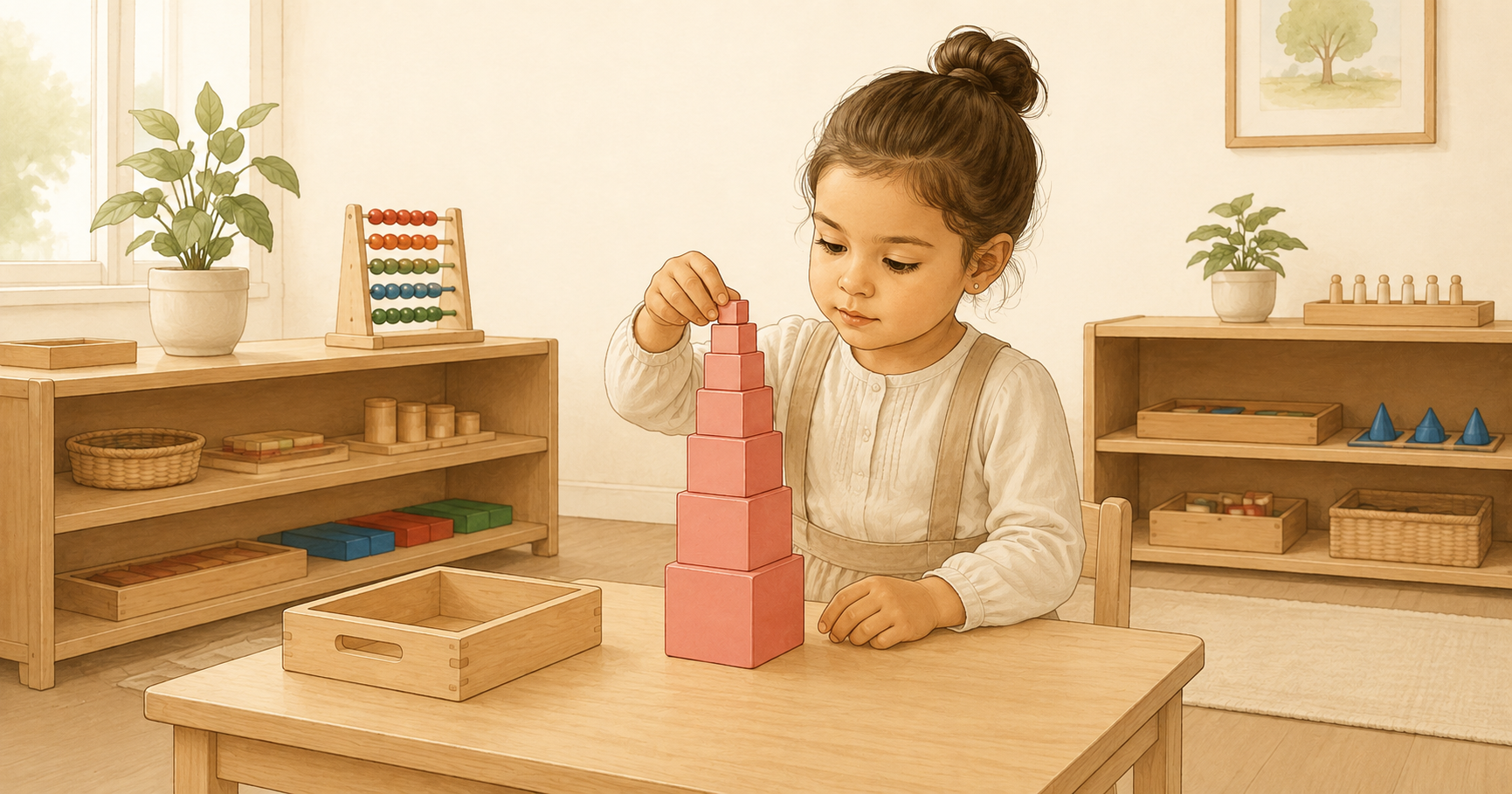
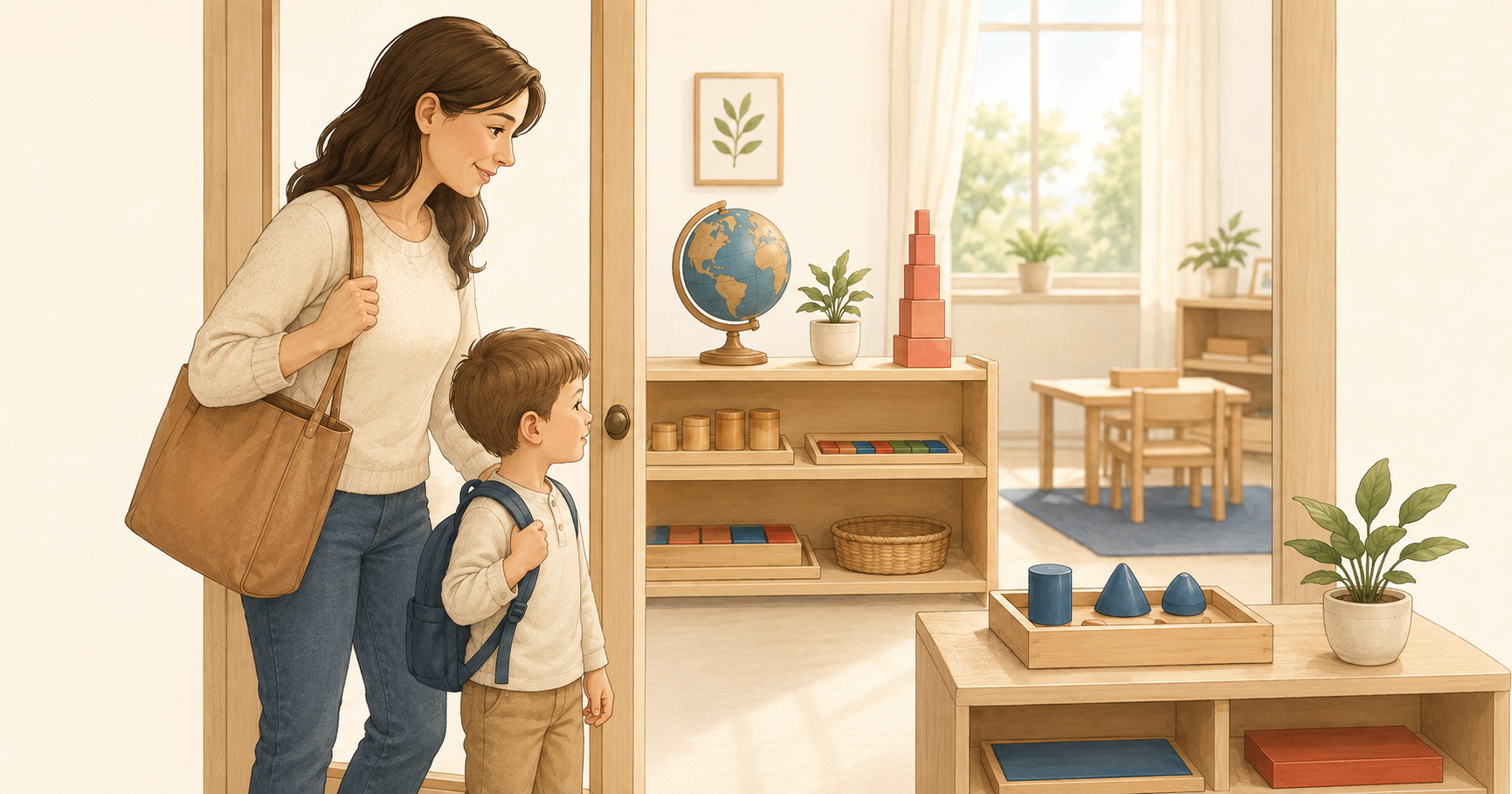
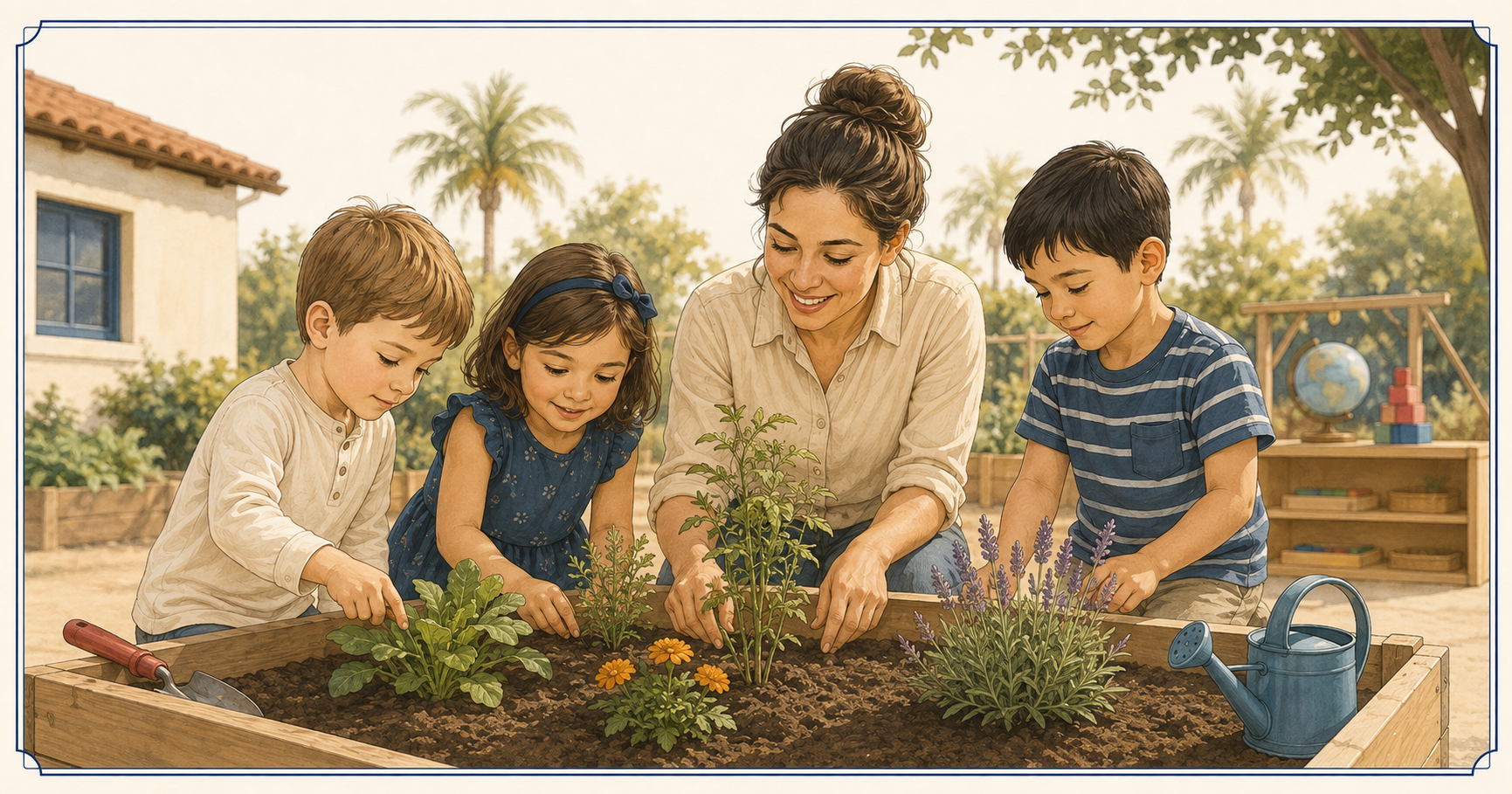
Step into a Montessori classroom and it looks different from a conventional one right away. Children move about with purpose, working alone or in small clusters, choosing activities from open shelves, while the teacher is often kneeling beside a single child rather than standing at the front of the room. This is not disorder; it is a carefully prepared environment doing exactly what it was designed to do.
The prepared environment and the work cycle
The classroom is arranged into clear areas, each with materials that build on one another from simple to complex. Anchoring the day is a long, uninterrupted work cycle, often two to three hours, during which children choose their own activities and stay with them as long as they like. This unbroken stretch of time is essential: deep concentration takes a while to reach, and a schedule chopped into short blocks never lets a child get there. Within the cycle, the guide gives brief individual and small-group lessons, then steps back so the child can practice, repeat, and master the work on their own.
The five areas of the classroom
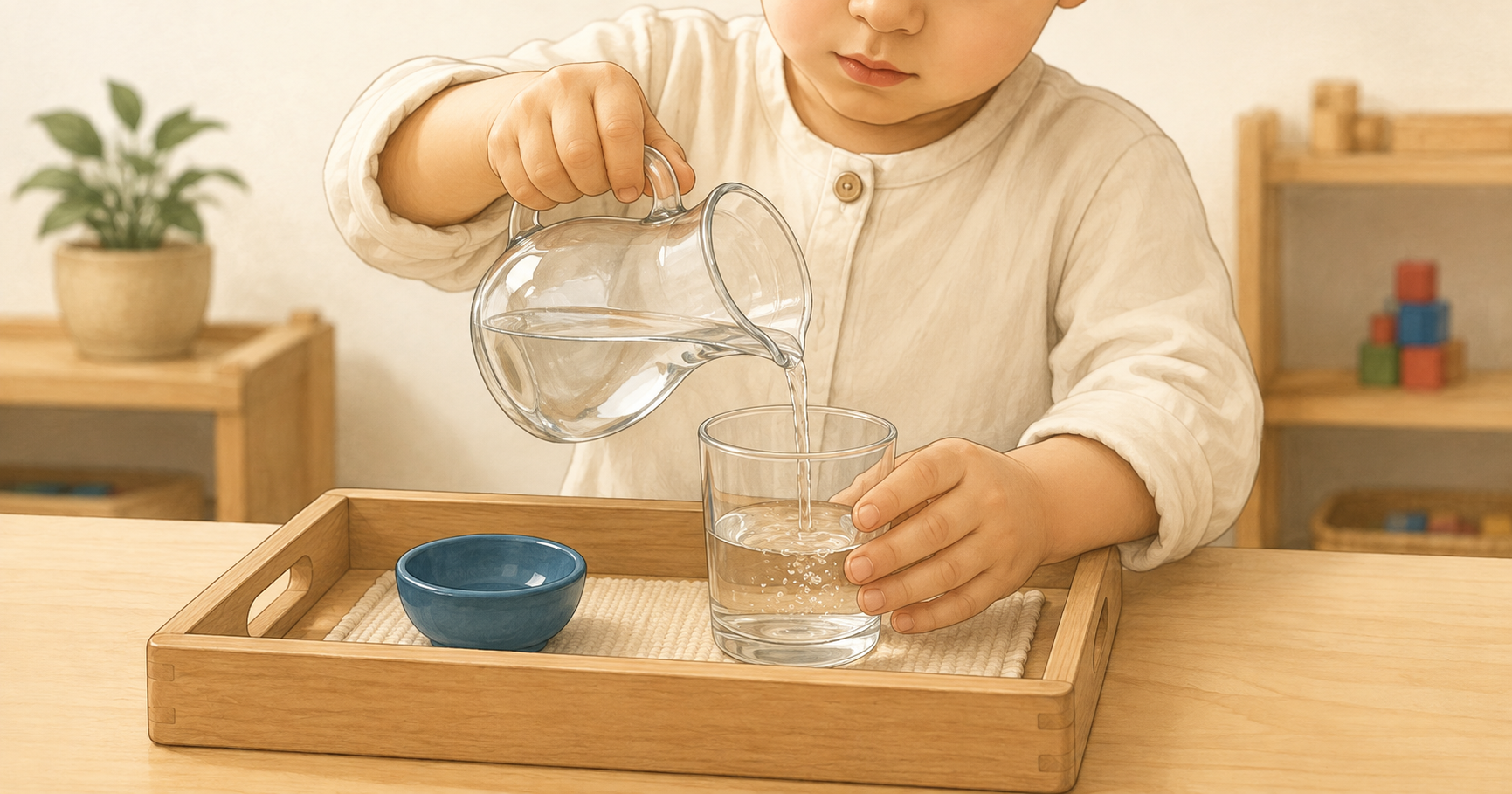
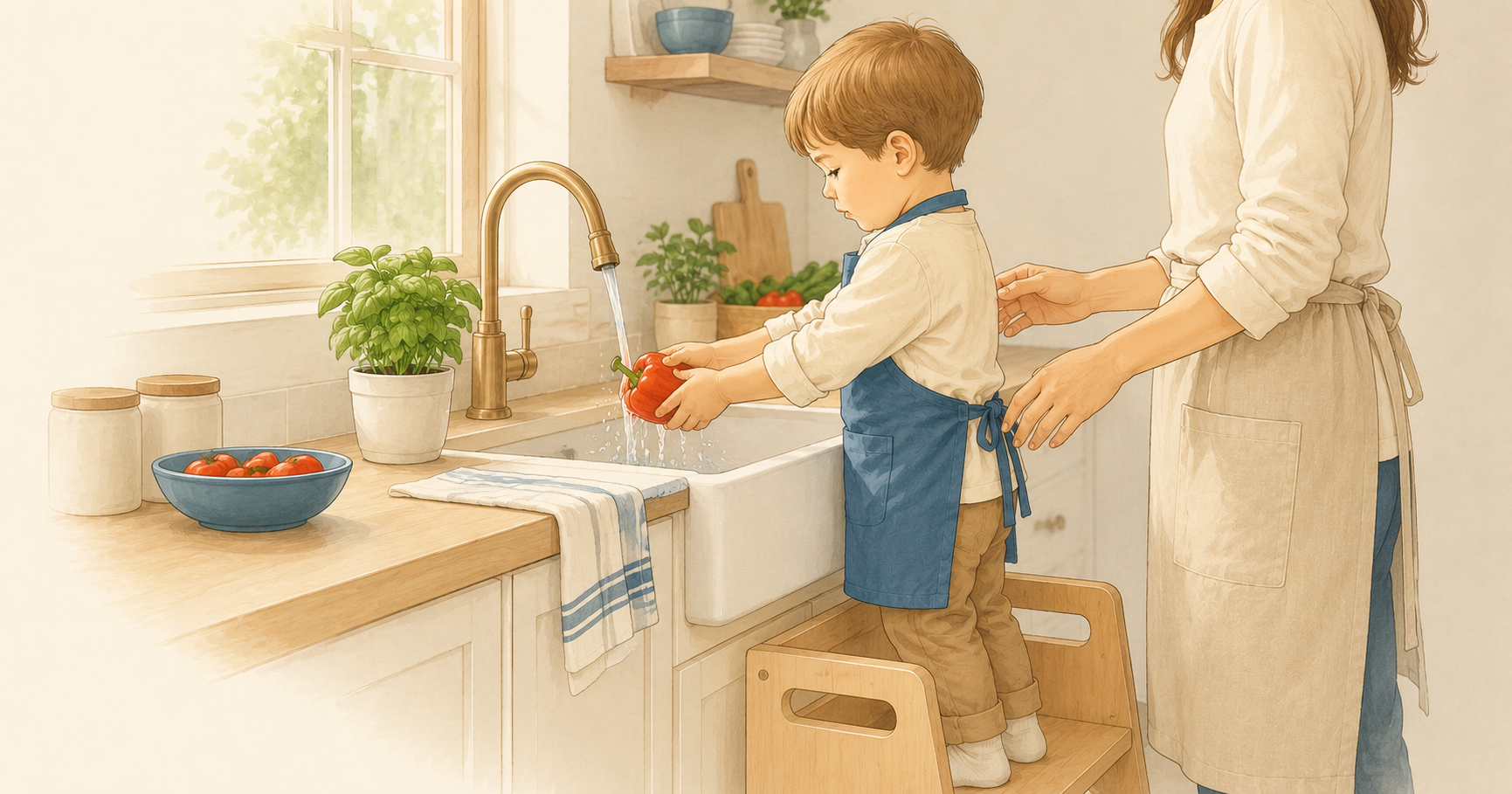
A Montessori environment is traditionally organized into practical life (care of oneself and the environment, which also builds concentration and coordination), sensorial (materials that refine and organize the senses), language, mathematics, and cultural studies (geography, science, history, art, and music). Materials in every area move from the concrete to the abstract, so a child first handles a physical quantity before ever working with the symbol for it. Because the areas connect, a child pouring and sorting in practical life is quietly preparing the hand and mind for writing and math later on.
Mixed ages and the role of the guide
Montessori classrooms group children across roughly a three-year age span rather than sorting them into single-grade rooms. This is deliberate and powerful. Younger children learn constantly from watching older ones, older children deepen their own understanding by helping and modeling, and the whole room functions more like a real community than a set of identical peers. The teacher, called a guide, is trained to observe carefully and to connect each child with the next material at the right moment, protecting concentration and letting the environment and the child do much of the work. The adult's success is measured not by how much they direct, but by how independently the children come to function.
The articles here take you inside daily classroom life so you can picture what your child's day actually looks like. At Little Scholars in Orange, classrooms from infant care through Kindergarten are each prepared this way for their stage, and the most vivid way to understand the difference is simply to come and observe one.