Think back to your own fondest childhood memories. What sticks out the most?
For many of us, it isn’t the elaborate vacations or big milestone events—it’s the small, predictable moments that left the deepest impressions. Perhaps it was the special cookies baked every December, staying up late to watch a movie that aired once a year, or a silly song your parents sang every morning to wake you up for school.
No matter what traditions you remember from your youth, they grounded you. As parents, creating intentional family rituals is both a joyful experience and a powerful way to provide your children with emotional security, connection, and a strong sense of belonging.
At Little Scholars Academy of California, we see every day how young scholars thrive when given consistency, structure, and predictable rhythms. Here is a look at the difference between routines and rituals, why they matter so deeply to early childhood development, and practical ways to bring meaningful rituals into your home.
Routines vs. Rituals: What’s the Difference?
To understand why rituals are so impactful, it helps to start with structure.
Routines set the practical expectations for how a household operates. They provide necessary predictability—such as brushing teeth, getting dressed, or starting bedtime at the same time each evening. Routines reduce anxiety because they allow children to know what to expect, freeing up their energy to focus on learning, exploring, and growing.
Rituals emerge when emotional warmth, shared identity, and connection are infused into a routine.
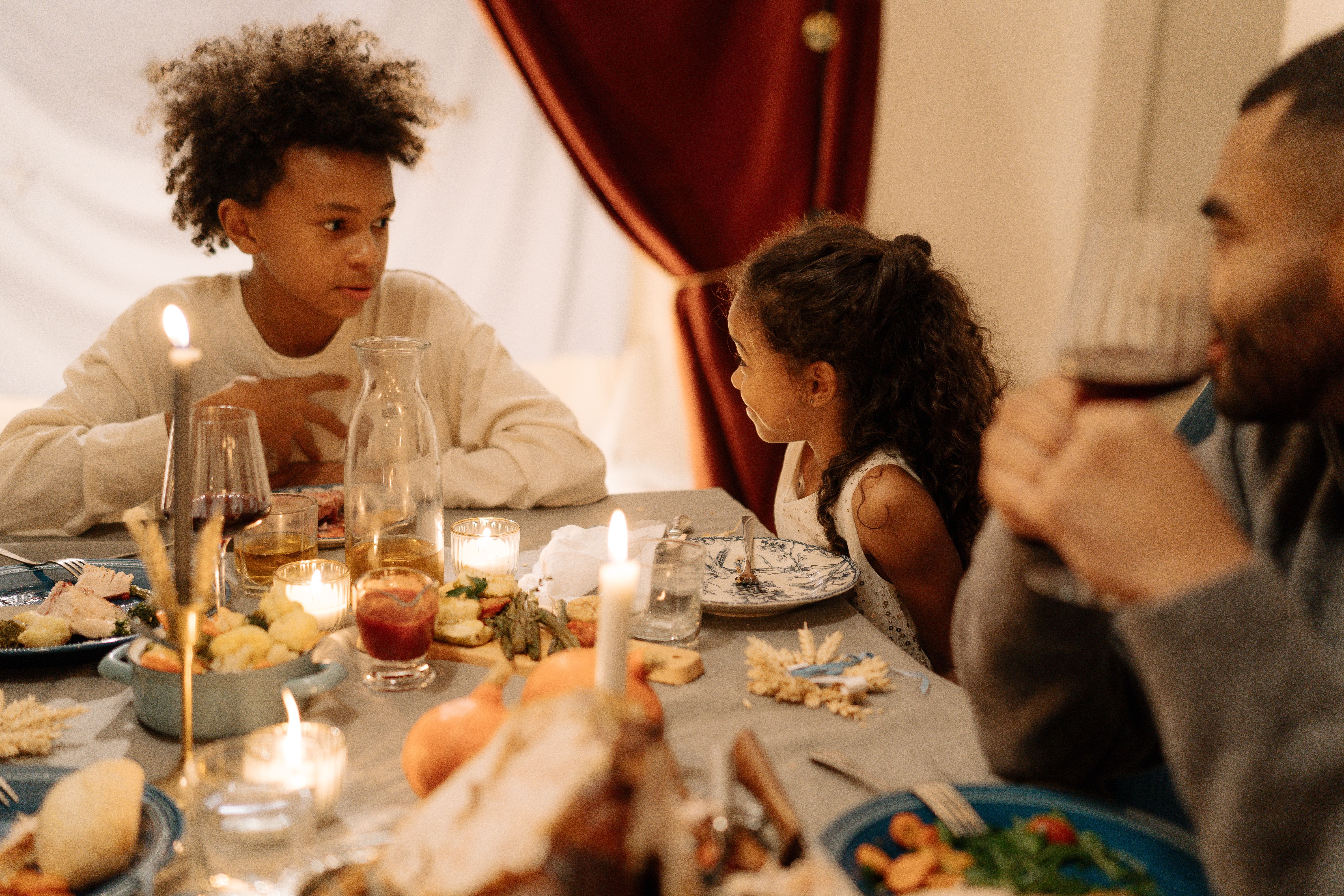
Eating dinner at 6:00 PM is a routine. Sitting together at the table, lighting a candle, and having every family member share one highlight from their day transforms that dinner into a ritual. While routines manage daily life, rituals build family identity and create memories that last a lifetime.
Inspired Ideas for Family Rituals
Looking to weave more meaningful connection into your family's weekly rhythm? Here are a few simple, Montessori-aligned ideas to consider:
Mealtimes & Practical Life
Prioritize Shared Meals: Make eating together at the table a priority whenever schedules allow, even if it’s just for 15 minutes.
Elevate the Table: Add small, intentional touches—like letting your child light a small dinner candle or set the table with real cloth napkins. In our Practical Life area, children take immense pride in setting a table carefully, and bringing that responsibility home empowers them.
Connection Questions: Try sharing "Roses and Thorns"—asking each person to name one challenge they experienced and one joyful moment they celebrated that day.
Daily Moments
Morning Energy: Add a playful element to morning prep, like a special toothbrushing song, a family high-five, or a quick 30-second kitchen dance party.
Mindful Pauses: Introduce short breathing exercises or quiet "mindful moments" before transition times.
Bedtime Warmth: Create a consistent bedtime sequence using dim lighting, a favorite story, or a special tuck-in phrase that belongs solely to your family.
Weekly Rhythms
Theme Nights: Establish predictable weekly traditions like Taco Tuesdays, weekend pancake breakfasts, or Friday family game nights.
Collaborative Home Care: Turn weekend cleaning into a fun, team-based ritual! Play upbeat music and give your toddler or primary scholar real, child-sized tools like a small broom and dustpan. Children love contributing to their home environment when it is presented as a shared family project.
The Power of Predictability in Early Childhood
Dr. Maria Montessori observed that young children have a natural "sensitive period for order." Predictable rhythms give children a sense of safety and inner peace, enabling them to navigate their physical, social, and emotional environments with confidence.
As a school honored as the Best Montessori School in Orange County for four consecutive years, Little Scholars Academy of California is committed to partnering with parents to support the holistic development of every child—from six weeks to six years of age. When home and school work together to provide structure, respect, and warmth, children thrive academically, socially, and emotionally.